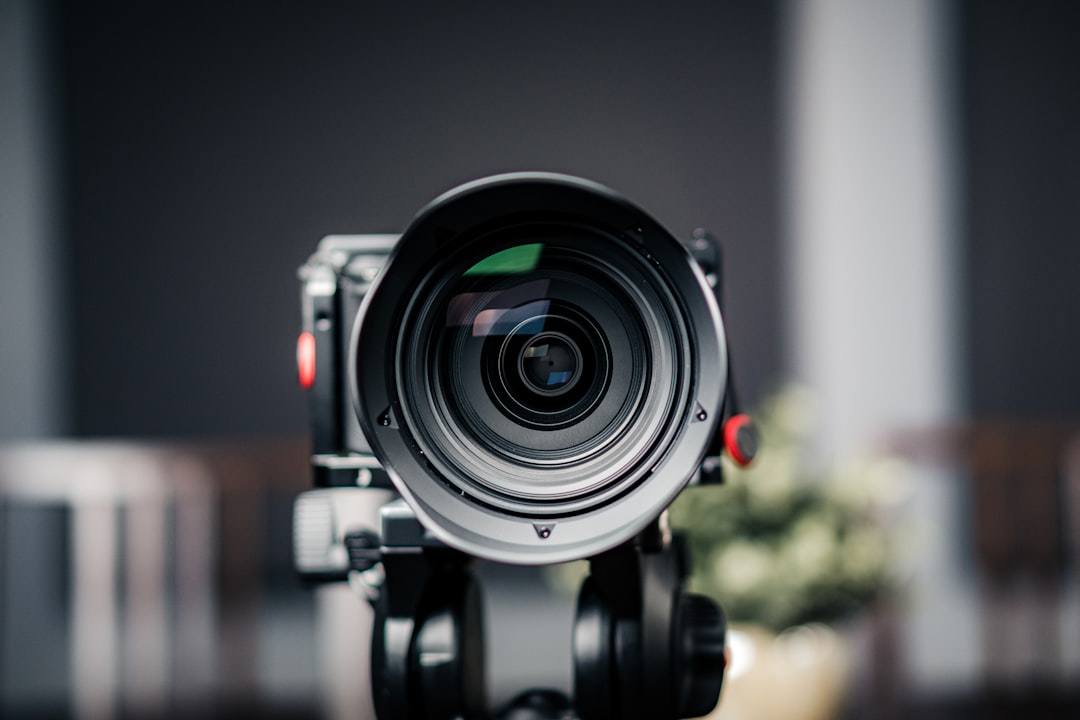
Camera lenses fundamentally shape how video looks and feels, influencing perspective, depth of field, and visual storytelling more dramatically than camera bodies themselves. Understanding lens characteristics, focal lengths, and optical properties empowers videographers to make informed choices that serve creative visions whilst respecting budget constraints. This comprehensive guide explores lens selection for video production across skill levels and applications.
Understanding Focal Length and Perspective
Focal length, measured in millimetres, determines a lens's field of view and magnification. Shorter focal lengths capture wider views, whilst longer focal lengths magnify distant subjects. On full-frame sensors, focal lengths divide roughly into categories: ultra-wide (below 24mm), wide (24-35mm), normal (40-60mm), telephoto (70-200mm), and super-telephoto (above 200mm).
Sensor size affects effective focal length. Crop sensors with smaller dimensions require multiplying stated focal length by the crop factor to determine equivalent full-frame focal length. A 50mm lens on a camera with 1.5x crop factor provides equivalent field of view to a 75mm lens on full-frame.
Focal length also influences perspective distortion. Wide-angle lenses exaggerate depth and distance between foreground and background elements, whilst telephoto lenses compress spatial relationships. Understanding these characteristics helps match lenses to storytelling intentions.
Prime Lenses vs Zoom Lenses
Prime lenses offer fixed focal lengths, sacrificing versatility for optical quality and wider maximum apertures. Without complex zoom mechanisms, primes typically deliver sharper images with less distortion and chromatic aberration than zoom lenses at comparable prices. The faster maximum apertures of primes enable better low-light performance and shallower depth of field.
Zoom lenses provide variable focal lengths, offering convenience particularly valuable for documentary work, events, or situations where changing lenses risks missing moments. Modern zoom lenses, especially professional constant-aperture models, deliver image quality rivaling primes whilst providing compositional flexibility.
Budget considerations often favour primes, as quality prime lenses cost less than equivalent-quality zooms. A set of prime lenses at 24mm, 35mm, 50mm, and 85mm covers most videography needs whilst maintaining high optical standards. Conversely, a single 24-70mm f/2.8 zoom provides similar coverage with reduced lens changes.
Aperture and Depth of Field Control
Maximum aperture, expressed as f-numbers like f/1.4 or f/2.8, indicates the largest opening through which light passes. Wider apertures (smaller f-numbers) allow more light, enabling faster shutter speeds in dim conditions whilst creating shallower depth of field that isolates subjects from backgrounds.
Depth of field—the zone of acceptable sharpness extending before and behind the focus point—depends on aperture, focal length, and subject distance. Wider apertures, longer focal lengths, and closer focusing distances all reduce depth of field. Cinematographers manipulate these variables to direct viewer attention and establish visual hierarchy.
Constant-aperture zoom lenses maintain the same maximum aperture across the zoom range, simplifying exposure management when reframing shots. Variable-aperture zooms reduce maximum aperture as focal length increases, requiring exposure compensation that can create visible brightness shifts during zooms.
Lens Mount Compatibility and Adapters
Lens mounts—the mechanical and electronic interface between lens and camera—vary by manufacturer and camera type. Canon EF, Nikon F, Sony E, and Micro Four Thirds represent common mounts, each with unique flange distances and communication protocols.
Adapters allow mounting lenses designed for different systems, expanding creative options and preserving investments when switching camera brands. Simple mechanical adapters work with manual-focus lenses, whilst smart adapters maintain autofocus and electronic aperture control at additional cost.
Vintage manual-focus lenses from film-era cameras offer exceptional value and unique rendering characteristics. Adapted cinema lenses provide smooth focus and aperture rings ideal for video work. Verify adapter quality, as poorly-manufactured options introduce alignment issues affecting image sharpness.
Specific Focal Lengths and Their Applications
Wide-angle lenses (24-35mm) excel for establishing shots, interiors, and environmental storytelling that emphasises context and space. The expansive field of view captures sweeping vistas and confined spaces equally well. Be mindful of distortion when filming people at close distances, as wide lenses exaggerate facial features unflatteringly.
Normal focal lengths (40-60mm) approximate human vision perspective, creating natural-looking images that feel familiar and comfortable. The 50mm focal length, particularly on full-frame sensors, represents the classic choice for general-purpose shooting, interviews, and documentary work.
Portrait focal lengths (85-135mm) compress perspective whilst creating pleasing subject separation through shallow depth of field. These lenses flatter human subjects, minimising unflattering wide-angle distortion whilst providing working distance that feels less invasive during interviews.
Telephoto lenses (above 135mm) magnify distant subjects whilst dramatically compressing spatial relationships. Wildlife videography, sports coverage, and documentary work where close approach isn't possible all benefit from telephoto reach. The compressed perspective creates distinctive aesthetics useful for creative shots.
Cinema Lenses vs Photo Lenses for Video
Cinema lenses prioritise features valuable for video production: declicked aperture rings for smooth exposure changes, geared focus and zoom rings compatible with follow-focus systems, minimal focus breathing, and consistent physical dimensions across focal lengths facilitating quick lens changes without rebalancing gimbals.
Photography lenses designed for stills work adequately for video but often exhibit focus breathing—image magnification changes during focusing—and feature stiff, short-throw focus rings challenging for precise manual control. Autofocus performance varies, with video-optimised lenses offering smooth, quiet AF motors.
Budget considerations often necessitate using photography lenses for video, which produces excellent results when limitations are understood and worked around. Manual aperture control and focus pulling adapt photography lenses for professional video use.
Image Stabilisation Considerations
Optical image stabilisation within lenses compensates for camera shake, enabling handheld shooting at slower shutter speeds. For video, stabilisation proves invaluable for documentary work, run-and-gun filming, and telephoto shooting where movement magnification challenges stability.
In-body image stabilisation systems within camera bodies stabilise the sensor regardless of lens choice. Some systems combine in-body and optical stabilisation for enhanced performance. Verify compatibility, as mixing stabilisation types sometimes creates conflicts requiring disabling one system.
Stabilisation introduces slight image quality compromises and battery consumption increases. For locked-off tripod shots, disabling stabilisation often improves sharpness and eliminates potential stabilisation artefacts.
Lens Characteristics and Image Quality
Sharpness across the frame, contrast, colour rendition, and aberration control separate exceptional lenses from adequate ones. Professional lenses maintain sharpness from centre to corners even at wide apertures, whilst budget options may show softness at frame edges or when shot wide open.
Chromatic aberration—colour fringing at high-contrast edges—plagues lower-quality lenses particularly at wider apertures. Modern lens designs and coatings minimise these artefacts, though post-processing can correct mild cases.
Lens coatings control flare and ghosting when shooting toward bright light sources. Multi-layer coatings on quality lenses maintain contrast and colour accuracy in challenging lighting, whilst uncoated or poorly-coated lenses suffer reduced contrast and rainbow artefacts.
Building a Lens Collection Strategically
Start with versatile focal lengths matching your primary content. A normal prime around 50mm or a 24-70mm zoom covers general shooting whilst you identify specific needs. Analyse completed projects to determine which focal lengths you use most, then invest in primes at those lengths for improved quality.
Prioritise one excellent lens over multiple mediocre options. A single professional-grade lens delivers better results and more creative potential than three budget alternatives. Rent specialised lenses for specific projects before purchasing to verify they meet expectations.
Consider used professional lenses, which often deliver exceptional value. Quality glass maintains optical performance indefinitely when properly cared for. Verify lens condition, test autofocus accuracy, and inspect elements for fungus, scratches, or excessive dust.
Maintenance and Care
Protect lenses with quality UV or clear filters that shield front elements from damage. Keep rear caps on when lenses aren't mounted, and store in dry environments to prevent fungus growth. Clean elements only when necessary using proper tools—microfibre cloths, lens pens, and air blowers—to avoid scratching coatings.
Transport lenses in padded cases or bags with dividers preventing contact. Remove lenses from cameras during transport to avoid stressing lens mounts. Regular professional servicing maintains autofocus calibration and lubricates mechanical components.
Conclusion
Selecting camera lenses for video production requires balancing creative requirements, practical considerations, and budget realities. Understanding focal length characteristics, aperture implications, and optical quality differences empowers informed decisions that serve projects whilst building valuable lens collections over time. Start with versatile options matching your primary work, analyse what focal lengths serve your storytelling, and invest in quality glass that will serve for years. The lens in front of your camera ultimately matters more than the camera body itself—choose thoughtfully and your investment will reward you with countless compelling images.