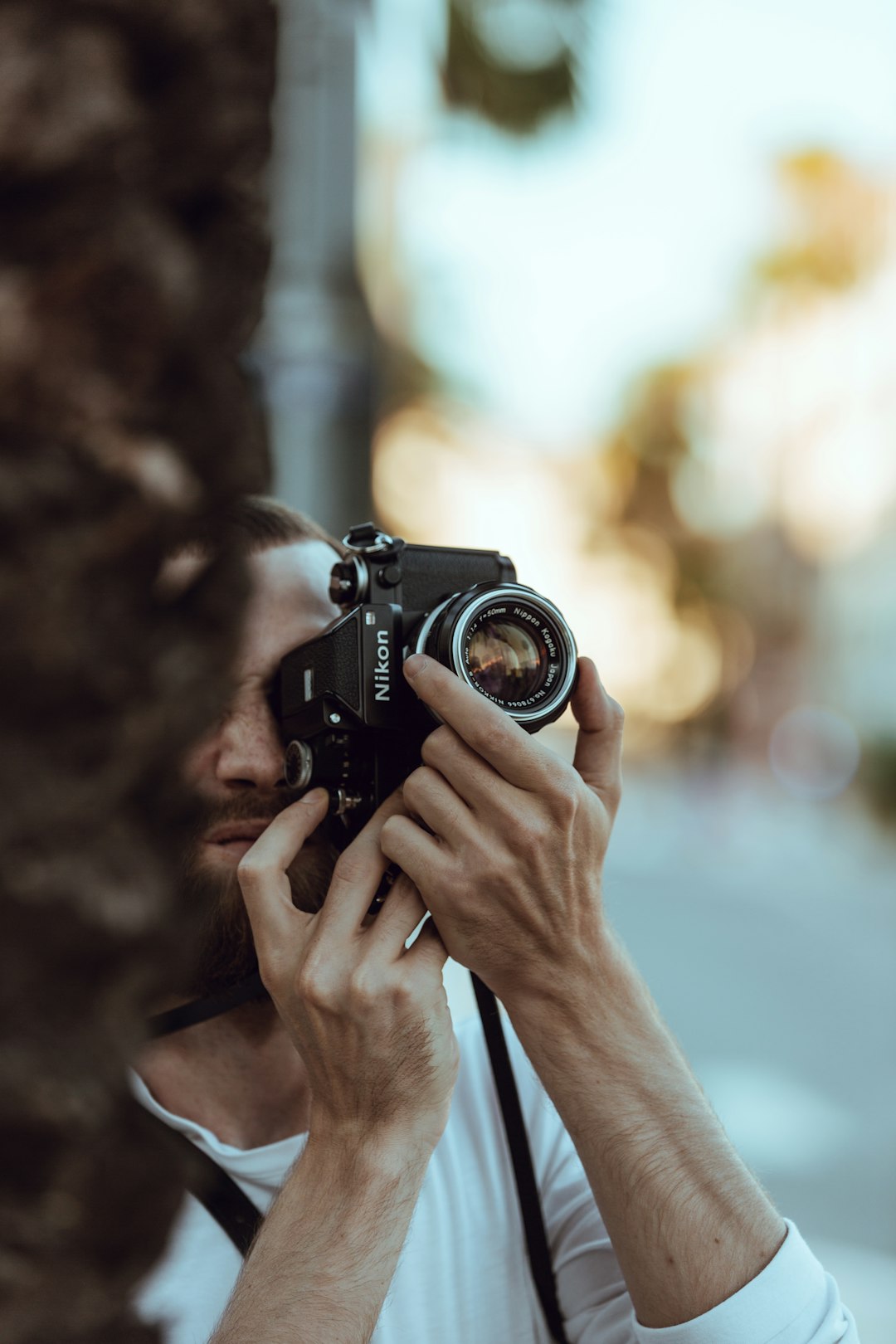
Lighting separates amateur video from professional content more than any other single factor. Excellent cameras cannot compensate for poor lighting, whilst thoughtful illumination transforms even modest equipment into tools for stunning visual storytelling. This guide explores fundamental and advanced lighting techniques that elevate content quality dramatically.
Understanding the Three-Point Lighting System
Three-point lighting forms the foundation of professional video illumination. This classical technique uses three distinct light sources—key light, fill light, and back light—to create dimensional, flattering imagery that appears natural to viewers.
The key light serves as your primary illumination source, positioned at approximately 45 degrees to one side of your subject and slightly elevated. This creates defining shadows that give faces dimension and visual interest. Key lights typically use harder light sources, though diffusion can soften them for more flattering results on human subjects.
Fill lights reduce shadow intensity created by the key light without eliminating them entirely. Positioned opposite the key light at a lower intensity, fill lights maintain the dimensional quality established by your key whilst preventing shadows from becoming too dark or harsh. The ratio between key and fill light intensity determines your lighting's overall mood and drama.
Back lights, also called rim lights or hair lights, separate subjects from backgrounds by creating a subtle illuminated edge. Positioned behind and above subjects, these lights add depth and professional polish to shots. Back lighting proves particularly crucial when subjects and backgrounds share similar tones that might otherwise blend together.
Key Light Placement and Quality
Your key light's position fundamentally shapes how subjects appear. Traditional portrait positioning places the key light 30-45 degrees to one side and 30-45 degrees above eye level, creating the classic Rembrandt lighting pattern recognised by a small triangle of light on the shadowed cheek.
Light quality—whether hard or soft—dramatically affects the final appearance. Hard light from small sources creates defined shadows with sharp edges, suitable for dramatic or high-contrast looks. Soft light from large sources produces gradual shadow transitions, generally more flattering for interviews and talking-head content.
Softening hard light sources requires increasing their apparent size relative to your subject. This occurs through diffusion materials like softboxes, umbrellas, or shoot-through fabrics, or by bouncing light off larger surfaces like walls or ceilings. Remember that distance matters: moving a light source further away relatively decreases its size, hardening the quality.
Fill Light Ratios and Mood
The relationship between key and fill light intensity establishes your video's emotional tone. A 2:1 ratio, where the key light measures twice as bright as fill light, creates subtle modelling suitable for corporate videos and general content. A 4:1 ratio produces more dramatic lighting appropriate for cinematic or moody content.
Measuring these ratios needn't involve complex mathematics. Use your camera's histogram or zebra patterns to compare brightness levels, or simply evaluate the shadow areas visually. Darker shadows create more drama; lighter shadows feel more open and friendly.
Fill lights work most effectively when their presence isn't obvious. Viewers shouldn't consciously notice fill light; rather, they should perceive well-balanced, professional-looking imagery. Position fill lights opposite your key light, typically at or slightly below eye level, to most naturally counteract key light shadows.
Back Light Techniques for Separation
Effective back lighting requires careful positioning to avoid lens flare whilst creating visible separation. Start by placing your back light directly behind your subject, elevated to prevent it shining into the lens. Adjust horizontally to create an appealing rim of light along shoulders, hair, and the side of the face.
Back light intensity depends on subject clothing and hair colour. Dark hair and clothing require stronger back lights to create visible separation, whilst light-coloured subjects need less intense illumination to avoid appearing blown out. Aim for subtle definition rather than obvious halos.
When working with limited equipment, back lights can be omitted if backgrounds provide sufficient tonal separation. However, including even basic back lighting when possible adds professional polish that viewers unconsciously appreciate.
Colour Temperature and White Balance
All light sources emit specific colour temperatures measured in Kelvin. Daylight measures approximately 5600K, tungsten bulbs around 3200K, and LED panels anywhere from 3200K to 5600K depending on settings. Mixing colour temperatures creates unnatural-looking footage with colour casts.
Maintain consistent colour temperature across all lights in your setup. Use daylight-balanced lights throughout, or tungsten-balanced lights throughout, but avoid mixing them. Modern LED panels with adjustable colour temperature offer flexibility to match existing ambient light sources.
Set your camera's white balance to match your lighting colour temperature. Auto white balance struggles with mixed lighting and can shift unpredictably during recordings. Manual white balance using a grey card ensures accurate, consistent colours throughout your shoot.
Natural Light as a Tool
Window light provides beautiful, free illumination when used thoughtfully. North-facing windows in the Northern Hemisphere provide consistent, soft light throughout the day. South-facing windows offer stronger, more variable light that may require diffusion.
Position subjects near windows at 45-90 degrees to create dimensional lighting similar to artificial key lights. Use reflectors or dedicated fill lights opposite windows to control shadow intensity. Sheer curtains can diffuse harsh direct sunlight, whilst blackout options allow complete control over window light.
Be mindful that natural light changes throughout the day. Cloud cover affects intensity and quality, whilst sun movement alters direction. For consistent results across multiple shooting days, supplement or replace window light with controlled artificial sources.
Practical Lighting for Various Scenarios
Interview lighting benefits from soft, flattering illumination with moderate contrast. Position your key light at 30-45 degrees for dimensional modelling, use adequate fill to keep shadows pleasant, and add back light for professional separation. Avoid harsh shadows under the nose or eyes.
Product videos often employ higher key lighting with minimal shadows to show details clearly. Consider using soft top lighting or large diffused sources positioned above and slightly in front of products. Add back and side lights to create definition and highlight textures.
Dramatic content embraces shadow and contrast. Use harder light sources, increase key-to-fill ratios, and consider low-key lighting where large portions of the frame remain in shadow. This technique works excellently for narrative content, music videos, or atmospheric B-roll.
Common Lighting Mistakes
Overlighting creates flat, dimensionless images that lack visual interest. Some shadow presence is desirable for dimensional, natural-looking footage. Trust that moderate contrast appears more professional than evenly illuminated scenes.
Ignoring backgrounds leaves them too dark or distractingly bright. Dedicate at least one light to background illumination, creating separation and context for your subjects. Background lights needn't be powerful; subtle illumination often suffices.
Positioning lights at camera height eliminates the dimensional shadows that make faces interesting. Elevate your key light above eye level and position it to one side rather than mounting it directly on your camera.
Budget-Friendly Lighting Solutions
Professional lighting needn't require enormous budgets. Clamp lights from hardware shops paired with daylight-balanced CFL or LED bulbs create serviceable key and fill lights. Diffuse them with white shower curtains or bedsheets for softer quality.
Reflectors—including DIY options made from white foam board or emergency blankets—effectively fill shadows and redirect window light. Five-in-one reflector kits provide white, silver, gold, and diffusion options for under thirty pounds.
As budgets allow, invest first in your key light, as it most significantly impacts final quality. LED panels offer adjustable brightness and colour temperature, providing flexibility as your skills develop and production needs evolve.
Conclusion
Mastering video lighting transforms content quality more dramatically than camera upgrades or exotic locations. Understanding three-point lighting, light quality, colour temperature, and practical application allows creators to produce professional-looking content regardless of budget constraints. Practice these techniques consistently, analyse professional content to understand lighting choices, and experiment with different setups to develop your unique visual style.