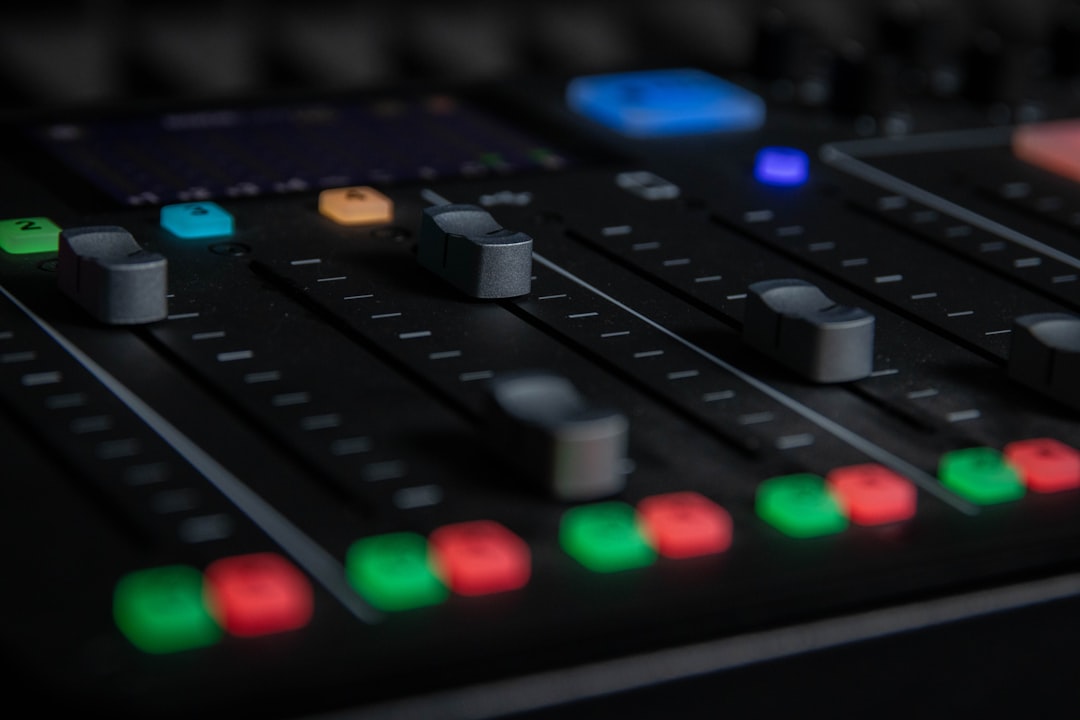
Starting a podcast in 2025 has never been more accessible, yet the abundance of equipment options can feel overwhelming for beginners. This comprehensive guide will walk you through exactly what you need to launch a professional-sounding podcast without unnecessary expenses or complicated setups.
The Microphone: Your Most Important Investment
Your microphone is the foundation of podcast quality. While smartphone mics have improved, they simply cannot match the clarity and warmth of dedicated podcast microphones. For beginners, we recommend starting with either a USB microphone or an XLR dynamic microphone paired with an audio interface.
USB microphones offer plug-and-play convenience, connecting directly to your computer without additional equipment. Popular models like the Audio-Technica ATR2100x and Rode PodMic USB provide excellent audio quality at accessible price points. These microphones include built-in analogue-to-digital conversion, simplifying your setup whilst maintaining professional sound standards.
XLR microphones, whilst requiring an audio interface, offer superior sound quality and upgrade flexibility. The Shure SM58 and Rode PodMic remain industry favourites for spoken word content. These dynamic microphones excel at rejecting background noise and handling various voice types, making them ideal for home recording environments.
Audio Interfaces: Bridging Analogue and Digital
If you opt for an XLR microphone, you'll need an audio interface to convert analogue signals into digital audio your computer can process. The Focusrite Scarlett Solo and PreSonus AudioBox USB 96 represent excellent entry points, offering clean preamps and reliable performance.
Audio interfaces provide crucial features like phantom power for condenser microphones, headphone monitoring, and gain control. Many models now include direct monitoring, allowing you to hear yourself without computer latency. This feature proves invaluable during recording sessions, helping you maintain consistent microphone technique and catch potential issues immediately.
Headphones: Critical for Quality Control
Closed-back headphones are essential for podcast recording, preventing audio bleed that could create feedback loops or unwanted echo in your recordings. The Audio-Technica ATH-M50x and Sony MDR-7506 offer accurate sound reproduction, allowing you to hear exactly what your listeners will experience.
Avoid consumer headphones with enhanced bass or treble, as these colour your perception of the actual recording. Studio monitor headphones provide flat frequency response, revealing every detail of your audio including background noise, mouth clicks, or equipment hum that needs addressing.
Recording Software: Free Options That Deliver
Recording software, or digital audio workstations, needn't strain your budget. Audacity remains the most popular free option, offering robust recording and editing capabilities across Windows, Mac, and Linux platforms. Its straightforward interface makes it perfect for beginners whilst providing advanced features for growth.
GarageBand comes free with macOS and iOS devices, providing intuitive controls and professional-quality effects. For those seeking more advanced capabilities, Reaper offers a generous evaluation period and affordable licensing, striking an excellent balance between functionality and cost.
Acoustic Treatment: Often Overlooked, Always Important
Your recording environment significantly impacts audio quality. Hard surfaces create reflections and echo, whilst soft materials absorb sound waves. You don't need expensive acoustic panels to start; strategic placement of blankets, duvets, or moving blankets can dramatically improve your recording space.
Position absorbent materials behind and beside your microphone to reduce reflections. Many podcasters successfully record in wardrobes surrounded by clothes, which naturally dampen sound. The goal isn't creating a completely dead space, but rather controlling excessive reverb and echo that makes recordings sound amateurish.
Boom Arms and Shock Mounts: Improving Stability and Sound
Desktop microphone stands often pick up vibrations from typing, mouse movements, or desk bumps. A boom arm positions your microphone optimally whilst isolating it from surface vibrations. The Rode PSA1 and Blue Compass represent professional solutions, whilst budget options like the Neewer boom arm deliver surprising quality.
Shock mounts further isolate microphones from handling noise and vibrations. Most quality microphones either include shock mounts or have compatible options available. This simple addition can eliminate low-frequency rumble and handling noise that plague many amateur podcasts.
Pop Filters: Taming Plosives
Plosive sounds from letters like P and B create bursts of air that cause distortion in recordings. Pop filters, positioned between your mouth and microphone, disperse these air blasts before they reach the capsule. Fabric pop filters cost mere pounds and dramatically improve vocal clarity.
Alternatively, foam windscreens slip over microphones, providing both pop protection and a degree of environmental noise reduction. Many USB and dynamic microphones include foam covers, making them ready for immediate use.
Starting Simple: The Minimal Setup
For absolute beginners testing the podcasting waters, a minimal setup might include a quality USB microphone, closed-back headphones, and free recording software. This combination, costing between one hundred and two hundred pounds, produces professional results suitable for most podcast platforms.
As your podcast grows, you can gradually expand with audio interfaces, multiple microphones for co-hosts or guests, and dedicated recording spaces. This incremental approach allows you to learn fundamentals before investing in advanced equipment you might not yet need.
Common Mistakes to Avoid
Many beginners over-invest in expensive equipment before developing basic recording skills. A two-thousand-pound microphone won't compensate for poor technique or untreated acoustics. Focus first on learning proper microphone positioning, gain staging, and basic editing before upgrading equipment.
Another common mistake involves neglecting the recording environment. Even professional microphones struggle in reflective spaces with background noise. Address your acoustic environment early, as it impacts quality more significantly than equipment upgrades.
Conclusion
Starting a podcast in 2025 requires thoughtful equipment selection rather than expensive gear collections. Focus on quality essentials: a dependable microphone, accurate monitoring headphones, reliable recording software, and basic acoustic treatment. This foundation supports professional-quality podcasts whilst leaving room for growth as your skills and audience develop.
Remember that compelling content ultimately matters more than perfect equipment. Listeners forgive minor audio imperfections when engaged by interesting conversations and valuable information. Start with quality basics, learn proper technique, and upgrade strategically as your podcast evolves.